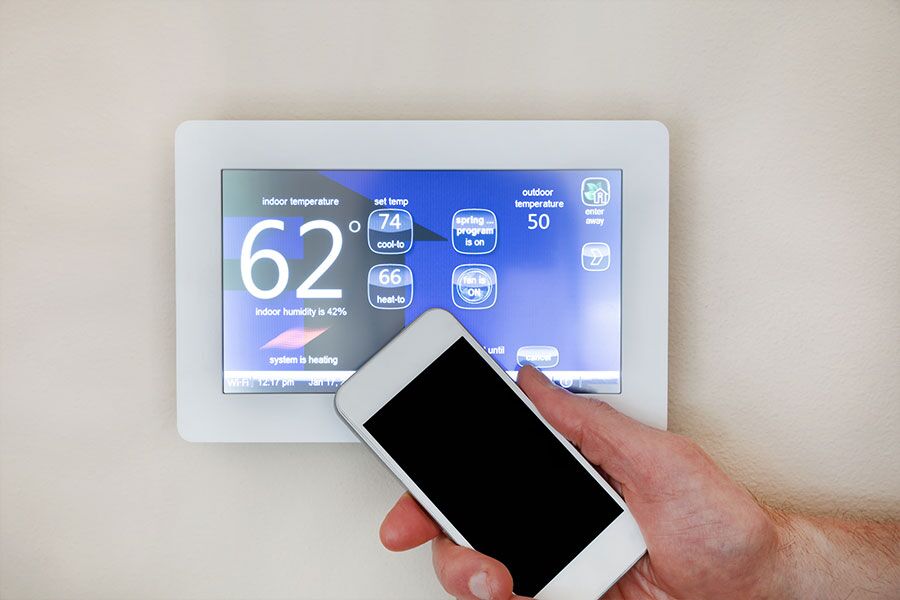
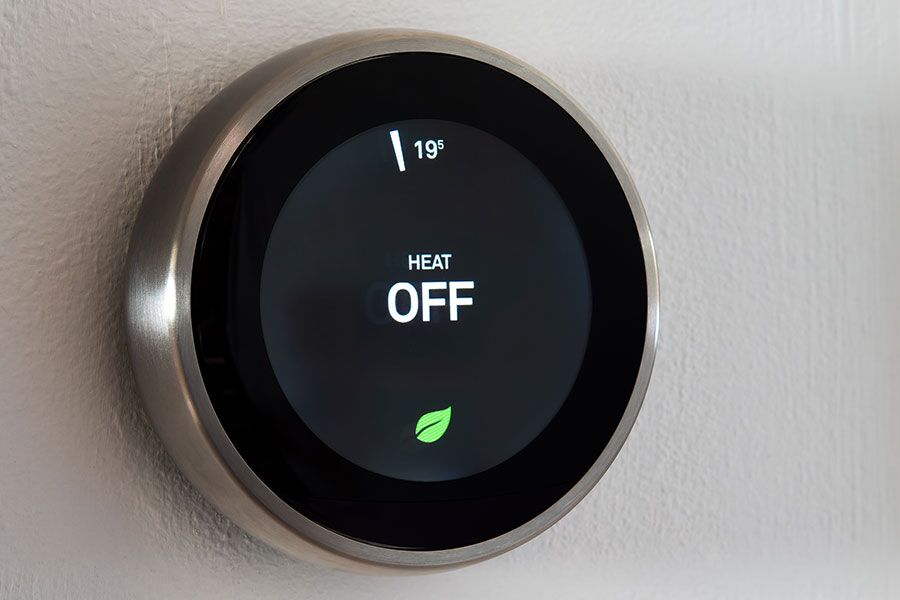
A thermostat not responding in Wilmington, NC, is usually caused by dead batteries, incorrect settings, loose wiring, dirty sensors, poor calibration, a power interruption, or an outdated model. Salt Air AC, Heat Pump & Electrical Repair recommends checking batteries and settings first, then calling a technician if the thermostat still won’t control the system.
Key Points
- Start simple: Dead batteries and incorrect mode, setpoint, or schedule settings cause many unresponsive thermostats.
- Power interruptions: After a storm or outage, a thermostat may need a reset, or a tripped breaker may need attention.
- Wiring and sensors: Loose wires, corrosion, or dust on the sensors can cause erratic readings or no response at all.
- Older models: An outdated thermostat may not communicate properly with a newer heat pump or air conditioning system.
- When to call: Error codes, uneven room temperatures, or unusual noises from the system point to a problem that needs a technician.
What Are the Most Common Thermostat Problems?
The most common thermostat problems are dead batteries, incorrect settings, wiring issues, dirty sensors, poor calibration, power interruptions, and compatibility problems with newer equipment. Some are quick to check at home, while others point to a deeper issue with the thermostat or the heating and cooling system it controls.
A thermostat that isn’t responding is frustrating, because it is the one device the whole household relies on to keep the home at the right temperature. Sometimes the cause is simple, and sometimes it takes a closer look.
A poorly calibrated thermostat, for example, gives incorrect temperature readings, so the system turns on and off at the wrong times. Dust and dirt can build up and interfere with the sensors, causing erratic behavior. Wiring issues can create a disconnect between the thermostat and the heating or cooling equipment.
Power interruptions are another common cause. Wilmington’s summer storms and hurricane season bring frequent outages and power flickers, and after one of those events, a thermostat may need to be reset or a breaker may need to be checked.
Understanding these issues makes it easier to stay calm and know what to check when a problem appears. When the thermostat checks out but the system still won’t respond, the issue may be in the equipment itself, and professional AC repair in Wilmington can pinpoint the cause. For businesses, regular commercial HVAC maintenance also prevents many thermostat-related problems.
Can Dead Batteries Make a Thermostat Stop Responding?
Dead batteries can make a thermostat stop responding entirely, leaving a blank screen or a system that will not turn on. Many thermostats run on batteries, so a dead or incorrect battery is one of the first things to rule out before looking at wiring or equipment problems.
Battery replacement is easy to overlook, but staying on top of it prevents bigger issues down the line. Regular AC maintenance visits also help confirm that every component of the system, including the thermostat, is working properly, which reduces the chance of unexpected problems.
Keeping up with this simple task helps the whole system run smoothly.
Check the Battery Type
The battery type is the first thing to check when a thermostat starts acting up. Many thermostats use AA or AAA batteries, but some require a different size or a lithium battery.
Using the correct type matters, because incompatible batteries can cause erratic behavior. If the batteries were just replaced, confirm they are installed correctly with the positive and negative terminals facing the right way.
Some thermostats are hardwired and do not use batteries at all, so a blank screen on those models usually points to a power or wiring issue instead.
These small details are easy to miss, but they make a real difference. If the thermostat still is not responding after the batteries are checked, the cause is likely somewhere else.
Replace Batteries Regularly
Thermostat batteries should be checked every few months and replaced as soon as a low-battery warning appears. Dead batteries are a common reason a home ends up too hot or too cold, and a quick check prevents unexpected shutdowns.
Replacing batteries takes only a few minutes, yet it has a real impact on comfort and efficiency. When a thermostat stops responding or the display goes dim, a battery replacement is often all that is needed.
Keeping fresh batteries on hand makes this easy. A working thermostat keeps the home comfortable and helps the heating and cooling system run efficiently.
Could Incorrect Settings Be the Problem?
Incorrect settings are a surprisingly common reason a thermostat seems unresponsive. The wrong mode, a setpoint that does not call for heating or cooling, or a programmed schedule that overrides manual changes can all make the system appear broken when nothing is actually wrong.
Before looking into more complex issues, check these key settings:
- Mode setting: Confirm the thermostat is set to the correct mode: heat, cool, or auto. It is easy to forget to switch modes when the seasons change.
- Temperature setpoint: Double-check the set temperature. If it is set too high or too low for the current mode, the system may not turn on.
- Schedule conflicts: Review any programmed schedule. A previous setting can keep the system from running when it is needed.
Checking these settings takes only a moment and can prevent unnecessary frustration. For businesses, commercial HVAC service plans help keep building systems and controls set correctly and running smoothly year-round.
If the settings are correct and the thermostat still is not responding, the cause is likely something deeper.
Common Thermostat Wiring Problems
Thermostat wiring problems, such as loose connections, frayed wires, damaged insulation, or corrosion, can cut communication between the thermostat and the HVAC system. When that happens, the thermostat may power on but fail to start heating or cooling, or it may not respond at all.
A visual look at the thermostat can sometimes reveal a wire that has come loose or a connection that looks frayed. Always turn off power to the system at the breaker before removing the thermostat cover.
Wires can also get mixed up during installation or earlier service work, which causes the system to behave unpredictably. Damaged insulation and corrosion are other concerns, and Wilmington’s humid coastal air can contribute to corrosion on exposed connections over time. These problems can lead to electrical shorts that affect how the thermostat works.
Wider electrical problems in the home can also interfere with system performance. When the issue goes beyond the thermostat, professional electrical repair services are the safest way to find and fix it.
Thermostat wiring connects directly to the heating and cooling equipment, so reconnecting or replacing wires is best left to a trained technician. Salt Air AC, Heat Pump & Electrical Repair handles both the HVAC and electrical sides of these problems, which saves time and keeps the repair safe.
Clean Your Thermostat Sensors for Better Performance
Cleaning the thermostat sensors helps it read the room temperature accurately, since dust and grime can throw off its readings. A thermostat that thinks the room is warmer or cooler than it actually is will turn the system on and off at the wrong times.
A light cleaning is simple and safe when done carefully:
- Turn off power: Switch off power to the thermostat before cleaning to avoid any electrical issues.
- Use a soft brush: Gently brush away dust with a soft, dry brush to avoid damaging delicate components.
- Wipe with a cloth: Use a slightly damp cloth to wipe away stubborn residue on the outer surfaces, and avoid harsh chemicals.
Is an Outdated Thermostat the Problem?
An outdated thermostat can be the problem when it no longer keeps up with heating or cooling needs or does not communicate properly with newer HVAC equipment. Older models may cause erratic temperature control, especially after a new heat pump or air conditioning system has been installed.
Many older thermostats lack features homeowners now rely on, such as programmable schedules or Wi-Fi connectivity, and that affects efficiency. Older homes in neighborhoods like Forest Hills and the downtown historic district often still have original or early thermostats, even after the heating and cooling equipment has been replaced.
When an HVAC system is upgraded, the thermostat is easy to overlook, and that leads to frustrating performance issues. An old thermostat may not communicate effectively with newer equipment, which causes uneven or unreliable temperature control.
Before assuming there is a major problem, it is worth considering whether a thermostat upgrade is needed.
A modern thermostat can improve both comfort and energy efficiency. Many newer models also offer easy-to-use interfaces and remote access, which makes it simpler to manage the home’s temperature from anywhere.
If an upgrade sounds like the right move, the Salt Air team can help evaluate the options.
When to Call Salt Air AC for Expert Help
Call Salt Air AC when the thermostat still isn’t responding after the batteries, settings, and power have been checked. At that point, the cause is usually in the wiring, the thermostat itself, or the HVAC system, and a technician can find it quickly.
A home that won’t stay at the right temperature is frustrating, and the Salt Air team is ready to help get things back on track.
Here are three signs it is time to call for service:
- Inconsistent temperatures: Rooms that feel too hot or too cold can point to an issue beyond the thermostat.
- Error messages: Error codes or warning lights on the thermostat display are best handled by a professional.
- Unusual noises: New sounds from the HVAC system can signal a serious problem that needs prompt attention.
A malfunctioning thermostat should not disrupt comfort for long. Salt Air provides reliable solutions that keep homes comfortable year-round.
Frequently Asked Questions
Why is my thermostat screen blank?
A blank thermostat screen is usually caused by dead batteries, a tripped breaker, or a blown fuse on the HVAC system’s control board. In humid areas like Wilmington, a clogged condensate drain can also trigger a safety switch that cuts power to the thermostat. If new batteries and a breaker reset do not help, call a technician.
How long does a thermostat usually last?
A thermostat usually lasts around 10 years, though many keep working longer. Age becomes a concern when the thermostat starts giving inaccurate readings, losing settings, or struggling to communicate with newer equipment. Replacing an aging thermostat at the same time as a new HVAC system helps avoid compatibility problems.
Can a bad thermostat cause the AC to keep running?
A bad thermostat can cause the AC to keep running if it misreads the room temperature, has a stuck internal relay, or has a wiring fault. Before assuming the thermostat is bad, confirm the fan is set to “auto” rather than “on,” since the “on” setting keeps the fan running constantly.
How much does thermostat replacement cost in Wilmington?
Thermostat replacement cost in Wilmington depends on the type of thermostat, whether new wiring is needed, and how well it matches the existing HVAC system. A basic programmable model costs less to install than a smart or communicating thermostat. Salt Air AC, Heat Pump & Electrical Repair provides upfront pricing before any work begins.
Keeping Your Wilmington Home’s Thermostat Working Right
An unresponsive thermostat in Wilmington, NC, often comes down to a simple fix, such as fresh batteries, a corrected setting, or a quick reset after a power outage. When those checks don’t solve it, the cause is usually in the wiring, the thermostat’s age, or the HVAC system itself, and a professional diagnosis is the fastest way back to a comfortable home.
Salt Air AC, Heat Pump & Electrical Repair has served Wilmington homes and businesses since 2011, with upfront pricing and technicians who explain every step of the work. If your thermostat still isn’t responding, contact our team today and get your system back under control.