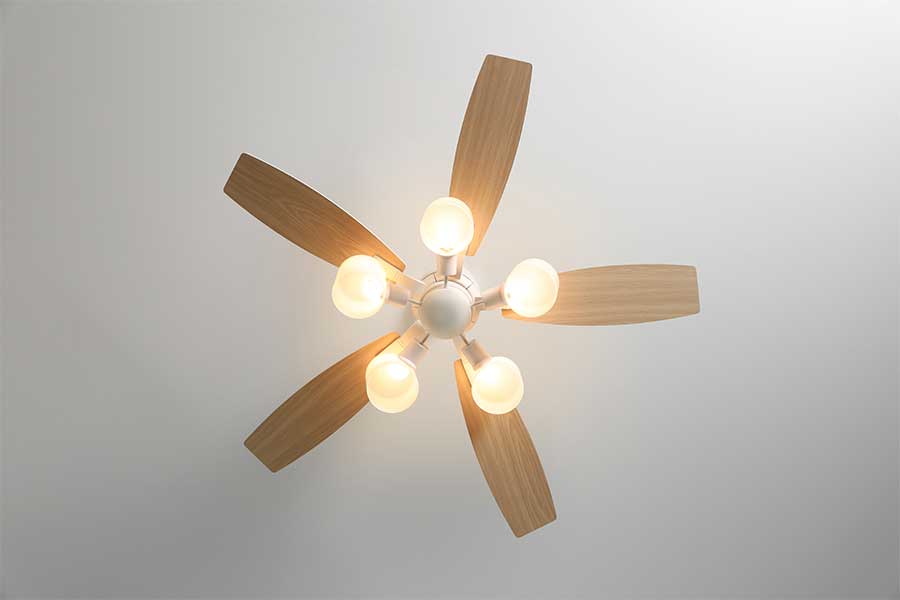
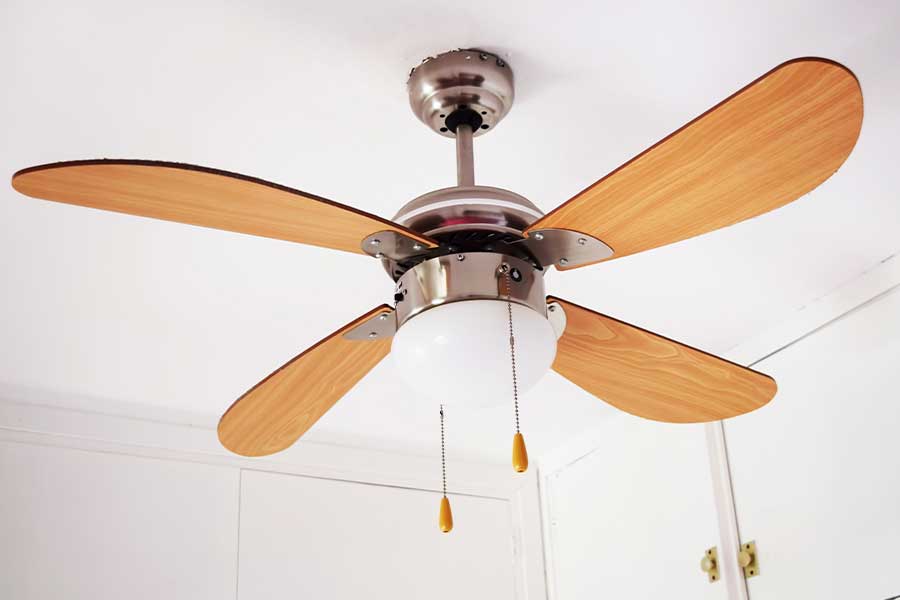
A ceiling fan reverse switch lets Hampstead, NC, homeowners set the blades to turn clockwise on low speed in winter, gently pushing warm air from the ceiling back into the room. Salt Air AC, Heat Pump & Electrical Repair recommends this simple change to even out heat, reduce cold spots, and help your heating system work less.
Key Points
- Winter direction: Set the fan to turn clockwise, viewed from below, so it sends warm air down along the walls.
- Where the switch is: Most fans have a small switch on the motor housing, while many newer models reverse from the remote or wall control.
- Speed matters: Low speed circulates heat without creating a cooling breeze.
- Common mistakes: Forgetting to reverse the fan, running it on high, and leaving dusty blades all reduce its effectiveness.
- When to call: A fan that won’t reverse, wobbling that tightening doesn’t fix, flickering, or a burning smell needs a professional.
What Are the Benefits of Ceiling Fans for Winter Heat Circulation?
Ceiling fans improve winter heat circulation by moving warm air that collects near the ceiling back down into the living space. This evens out room temperatures, reduces cold spots, and can let homeowners lower the thermostat slightly without feeling cooler, which helps reduce heating costs.
When the heat comes on for winter, ceiling fans are easy to overlook, but they are one of the simplest tools for improving comfort. They help spread warm air more evenly throughout a room.
Running a ceiling fan clockwise pushes warm air down from the ceiling, which reduces cold spots and makes the whole room feel warmer.
Ceiling fans can also help the heating system work more efficiently. With warm air circulating better, many homeowners find they can lower the thermostat a degree or two without giving up comfort, which can reduce energy bills.
Placement matters too. A fan that is the right size for the room and mounted at the right height moves air far more effectively, and proper ceiling fan installation makes sure both are right from the start.
Because a ceiling fan uses relatively little electricity, using it to get more from the heating system is also an energy-conscious choice.
How Do You Use a Ceiling Fan Reverse Switch for Winter?
To use a ceiling fan reverse switch for winter, turn the fan off and let the blades stop completely, then flip the small switch on the motor housing or press the reverse button on the remote or wall control. When the fan restarts on low speed, the blades should turn clockwise as viewed from below.
Reversing a ceiling fan for winter is a quick adjustment that can make a noticeable difference in comfort. Most fans have a reverse switch, usually a small toggle on the motor housing just above the blades. Many newer fans, including models with DC motors, change direction through the remote or a wall control instead.
Once the fan is set to rotate clockwise, it sends the warm air that rises back down into the living space. Rooms feel warmer without turning up the heat.
A simple way to confirm the setting is to stand directly under the fan on low speed. In winter mode, there should be little or no breeze.
The fan works best alongside a heating system that is running efficiently, and year-round heat pump maintenance keeps both heating and cooling performance where it should be.
Reversing the fans before the first cold nights of the season is a quick habit that pays off in comfort and energy savings all winter.
Maximizing Winter Comfort With Ceiling Fans in Hampstead
Hampstead’s winters are generally mild, but chilly, damp nights near Topsail Sound can still leave some rooms feeling cooler than others. Many Hampstead homes, from waterfront properties to newer neighborhoods along the US-17 corridor, have open floor plans or high ceilings where warm air collects overhead, and a reversed ceiling fan helps bring that heat back down where it is needed.
Choosing the right speed is essential. A low setting keeps air moving gently without creating a draft. This small adjustment improves comfort and can help reduce heating costs by making the heating system more efficient.
For businesses, commercial HVAC maintenance plans keep heating systems running efficiently throughout the winter months, and ceiling fans add to that efficiency in larger spaces.
Keeping fans clean and in good working order also helps them perform at their best. Used correctly, ceiling fans create a more balanced indoor temperature that feels warmer without turning up the thermostat.
What Mistakes Should You Avoid With Ceiling Fans in Winter?
The most common mistakes with ceiling fans in winter are forgetting to reverse the direction, running the fan on high speed, leaving it on in empty rooms, letting dust build up on the blades, and relying on the fan instead of the heating system. Each one reduces how well the fan circulates warm air.
Ceiling fans can noticeably improve winter comfort, but a few common mistakes reduce their effectiveness.
Forgetting to switch the fan to clockwise is the most common. Without that change, the fan will not push warm air down.
Running the fan on high speed is another mistake. A slower setting circulates warm air more effectively and avoids creating a cooling breeze.
Leaving the fan running in empty rooms wastes energy. Ceiling fans improve comfort for the people in a room, so turning them off when a room is empty saves electricity.
Dusty blades are easy to overlook, but dust buildup reduces airflow and efficiency and spreads dust through the room when the fan turns on.
Finally, ceiling fans are not a replacement for the heating system. They work best combined with it.
The home’s electrical system matters as well. Fans, switches, and wall controls all depend on safe, reliable wiring, and residential electrical services keep everything working properly through the winter months.
Troubleshooting Ceiling Fan Issues During Winter Months
A ceiling fan that is not working well during winter can be frustrating, but many common issues have simple fixes. Here are the most common problems and how to approach them:
- Fan direction: Confirm the fan is turning clockwise to push warm air down. If it will not reverse, check whether the switch is fully engaged or whether the model reverses through the remote instead.
- Noisy operation: With the fan turned off, check for loose blade screws or debris that might be causing rattling or clicking.
- Inconsistent speed: Inspect the pull chain, remote, or wall control for damage, and replace the remote batteries if needed.
- Poor airflow: Clean the blades and make sure nothing is blocking the airflow.
Some problems go beyond simple fixes. A fan that wobbles even after the screws are tightened, hums loudly, will not start, causes lights to flicker, or gives off a burning smell should be turned off and checked by a licensed electrician.
Frequently Asked Questions
Which way is clockwise on a ceiling fan?
Clockwise on a ceiling fan is judged by standing underneath and looking up at the blades. In this direction, the fan pulls air up toward the ceiling and pushes warm air down along the walls. If you feel a noticeable breeze when standing under the fan on low speed, it is likely still set for summer.
Why won’t my ceiling fan reverse direction?
A ceiling fan may not reverse direction if the switch isn’t fully pushed into position, the fan was still spinning when the switch was flipped, or the remote needs new batteries. Some models only reverse through the remote. If none of these fixes work, the fan’s switch or motor may need professional repair.
Is it safe to flip the reverse switch while the fan is running?
Flipping the reverse switch while the fan is running is not recommended. Changing direction while the blades are moving puts strain on the motor and switch. Turn the fan off, wait for the blades to stop completely, flip the switch, and then turn the fan back on at a low speed.
When should I switch my ceiling fan back for summer?
Switch the ceiling fan back to counterclockwise in spring, once the heating season ends and you start using the air conditioner. In Hampstead, that usually means switching when warmer, more humid weather returns. Counterclockwise rotation creates a cooling breeze that lets you stay comfortable at a slightly higher thermostat setting.
Making the Most of Winter Heat in Your Hampstead Home
A ceiling fan reverse switch is one of the easiest ways for Hampstead, NC, homeowners to improve winter comfort. Running the fan clockwise on low speed moves warm air off the ceiling, evens out room temperatures, and helps the heating system do its job with less effort.
Salt Air AC, Heat Pump & Electrical Repair has served homeowners in Hampstead and throughout the Wilmington area since 2011, handling heating systems, ceiling fan installation, and electrical work with upfront pricing and technicians who explain every step. If your fans or heating system aren’t keeping your home comfortable this winter, request service from our team and we’ll help you find the right fix.