
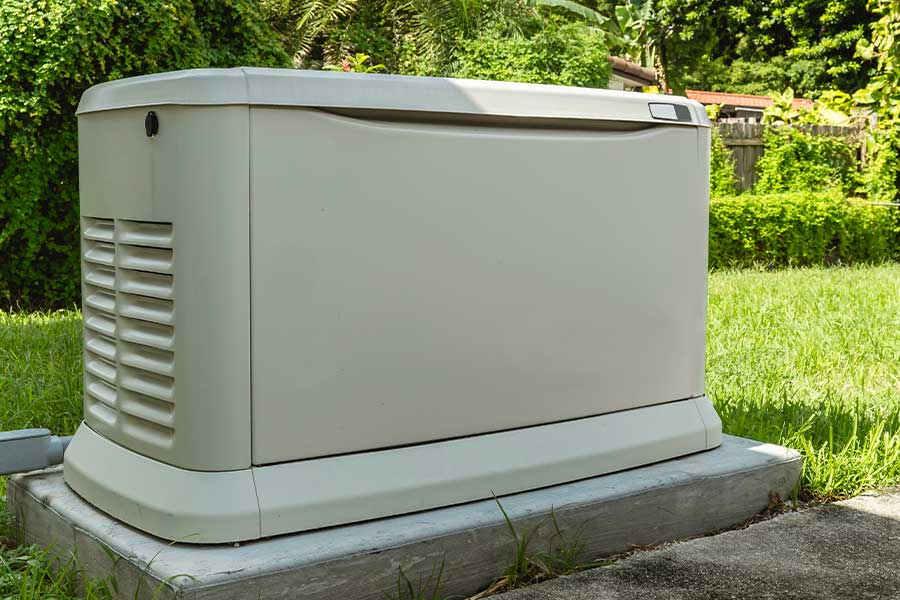
If you’re considering a whole house generator for your Wilmington, NC home, we’re here to help guide the process. These generators activate automatically during outages, keeping essential appliances running without interruption. Before installation, our team assesses your power needs and available fuel options to match the right system to your home. Regular professional maintenance is key to long-term performance, and we’ll cover what that involves, along with how common issues get resolved when they come up.
How Whole House Generators Work
When the power goes out, a whole house generator keeps essential appliances running smoothly without homeowners having to lift a finger. These systems automatically detect a power failure and kick in, keeping the home comfortable and functional through the outage.
It starts with a transfer switch, which isolates the home’s electrical system from the grid, preventing back-feed and keeping everyone safe. From there, the generator activates, drawing fuel from a natural gas line or propane tank to produce electricity that powers everything from the refrigerator to the HVAC system. The whole process typically happens within seconds, so the interruption is barely noticeable.
Modern whole house generators also come equipped with monitoring systems that flag maintenance needs early, which is important for long-term reliability, especially in a storm-prone area like Wilmington.
Benefits of Installing a Whole House Generator
Installing a whole house generator brings real advantages that can enhance both comfort and security. Peace of mind is one of the biggest, since homeowners throughout Wilmington know that power outages from coastal storms are a matter of when, not if.
A whole house generator can also increase property value, since buyers appreciate the convenience and safety of a built-in backup power source. Improved safety is another benefit, since families don’t have to rely on candles or flashlights to navigate the home during an outage.
Because these systems operate automatically, there’s no manual startup required when the power goes out. Over time, a generator can also lead to real savings by preventing food spoilage and reducing the stress of unexpected outages. Pairing a generator with a whole-house surge protector adds another layer of protection, keeping appliances safe from the power fluctuations that often follow a storm-related outage.
What to Consider Before Installing Your Whole House Generator
A whole house generator is a smart investment, but a few important factors deserve attention before installation begins.
Home size and power requirements come first, since the generator needs to be properly sized to handle the home’s electrical load during an outage. Placement matters too, and choosing a spot that’s accessible while complying with local codes is essential for both function and safety.
Fuel type is another key decision, whether that’s natural gas, propane, or diesel, each with its own tradeoffs. Budget is worth factoring in honestly as well. While the cheapest option might be tempting, investing in quality equipment tends to save money on repairs down the line.
Working with a licensed electrician in Wilmington, NC, for the electrical side of installation is essential, since proper setup has a direct impact on both safety and long-term performance.
Maintenance Tips for Your Whole House Generator
Regular maintenance keeps a whole house generator running smoothly and reliably when it’s needed most. Our technicians check fuel and oil levels, inspect the air filter, and test the unit under load as part of a routine service visit, catching potential issues before they turn into bigger problems.
Battery and connection inspections are also part of the process, since corrosion or a weakening battery can prevent a generator from starting when the power goes out. Keeping the unit clear of debris and dirt helps prevent overheating and keeps everything running efficiently.
An annual professional inspection is the best way to catch hidden concerns early, and it also helps ensure the system stays compliant with relevant safety codes.
Addressing Common Generator Issues
Even with regular upkeep, generators can occasionally run into issues. A generator that won’t start is often tied to a fuel, battery, or oil problem, and our technicians can quickly diagnose which one is at play.
Inconsistent running is another issue we see, often traced back to dirty filters or spark plugs that need attention. Unusual noises can also point to loose components or mechanical wear that’s best evaluated by a trained technician rather than diagnosed at home.
If your generator isn’t performing the way it should, our team is equipped to troubleshoot the issue and get your system back in reliable working order.
Keeping Wilmington Homes Powered, No Matter the Weather
Having a whole house generator isn’t just a luxury for Wilmington homeowners, it’s a practical safeguard against the outages that coastal storms regularly bring. From installation through ongoing maintenance, our team is here to help keep your home powered and your family comfortable no matter what the weather brings.
If you’re ready to explore whole house generator installation or need service on an existing system, contact our team today to get started.