
the First Time
Customer Experience
Local Company
Easy Scheduling
Oak Island stretches longer than most of its neighboring beach towns, and that length means two very different kinds of homes share the same town. Oceanside houses take the full force of salt spray, while homes along the marsh and Intracoastal side deal with a different kind of humidity and vegetation. Salt Air sees both sides of that divide on a regular basis.
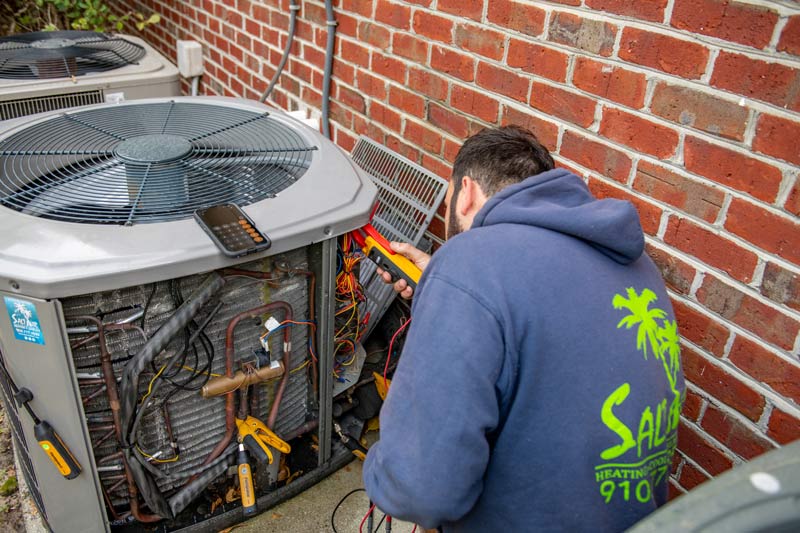
Depending on which side of the island a home sits, the warning signs can look a little different.
Noticing which of these apply can help pinpoint the cause faster.
Oceanside homes on Oak Island face constant salt spray blowing straight off the Atlantic, which speeds up corrosion on outdoor components in a way that marsh side properties rarely experience to the same degree. Units on the sound side deal less with salt and more with dense humidity and vegetation, since marsh grasses and brackish water keep moisture levels high throughout the day.
Because the island runs long, weather and wind patterns can differ noticeably between one end and the other, which means two homes just a few miles apart may need very different repair approaches.

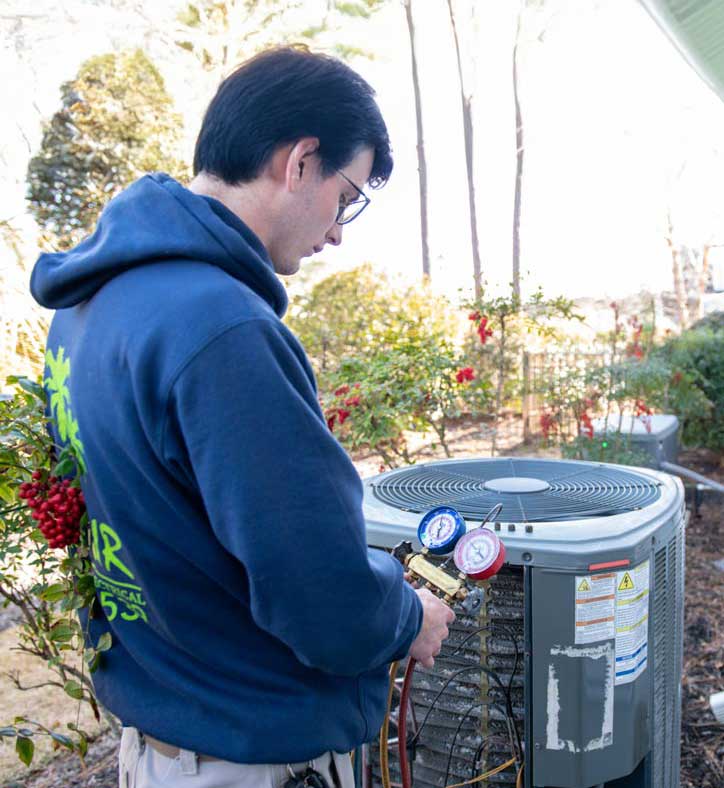
A technician takes note of whether a property sits oceanside or marsh side before diagnosing the issue, since the likely cause often differs between the two. Oceanside visits focus more on corrosion and salt exposure, while marsh side visits look closer at humidity and airflow around dense vegetation.
Repairs are matched to the property’s specific exposure, and every job includes a workmanship warranty regardless of which side of the island a home sits on.
A homeowner named Diane on the marsh side of Oak Island called after noticing her home always felt damp despite the heat pump running often. A Salt Air technician found that dense marsh vegetation near the outdoor unit was trapping humidity around it longer than normal, reducing its ability to dehumidify the home effectively. After clearing growth around the unit and adjusting airflow, the dampness cleared up within a few days. Diane said she had assumed the humidity was simply part of living near the marsh until the cause was identified.
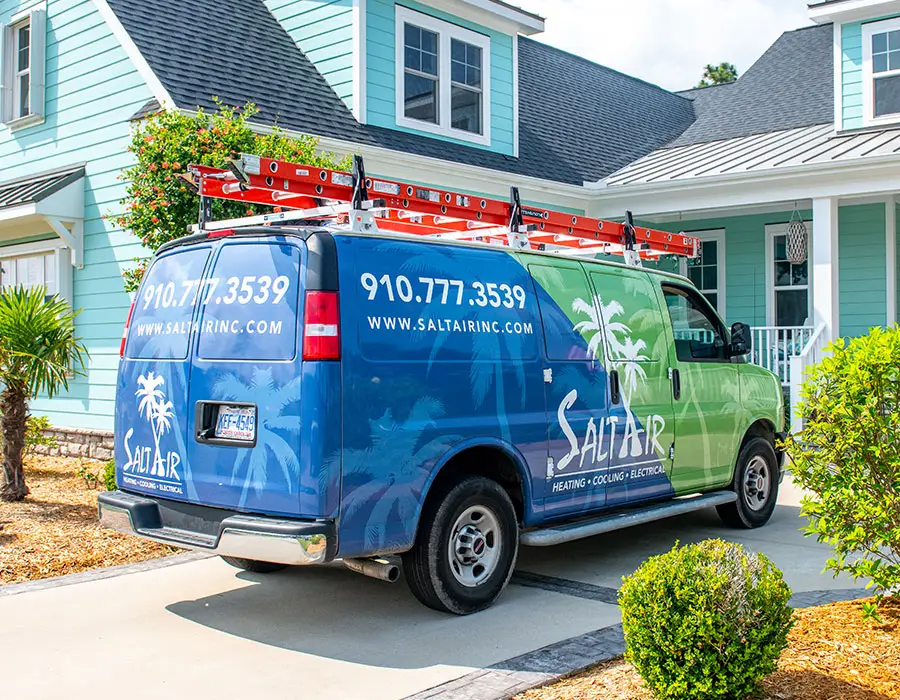
Homeowners on both sides of this long island want a repair team that understands the difference. Here is what stands out about Salt Air.
That understanding of the island’s two sides makes the difference.

Yes, oceanside homes tend to see more salt related corrosion, while marsh side homes deal more with humidity and vegetation.
Twice a year is a reasonable baseline, and oceanside units may benefit from closer attention given faster corrosion.
Yes, nearby marsh vegetation and brackish water can raise ambient humidity around a home more than drier inland settings.
Not always, since oceanside and marsh side properties often face different conditions that call for a tailored approach.
Yes, emergency service is available for situations that cannot wait for a scheduled appointment.